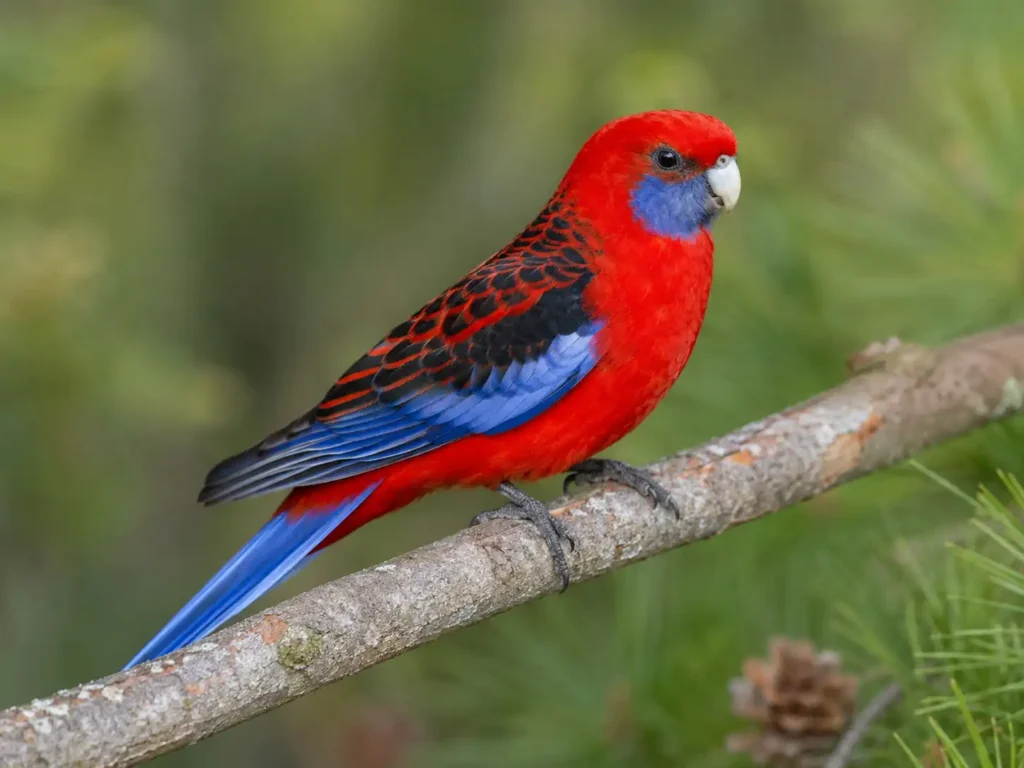
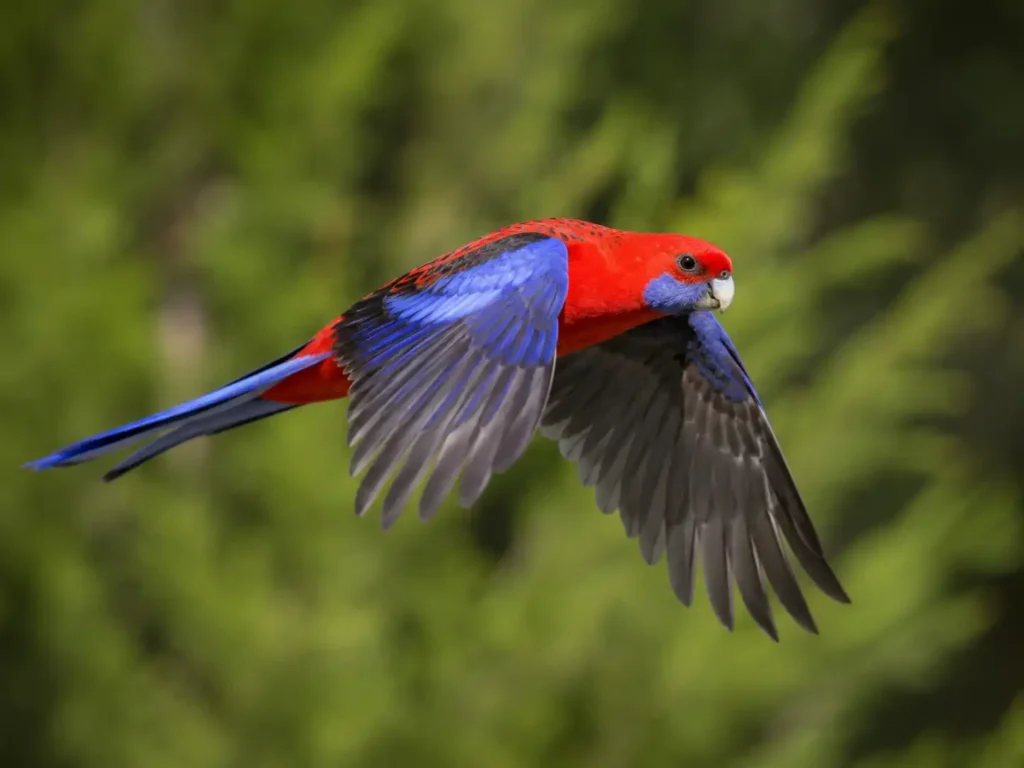
Also known as the red lory because of its striking colors.
Morphological characteristics
Its length is around 35 cm including its long tail, and a weight that can reach up to 120 grams.
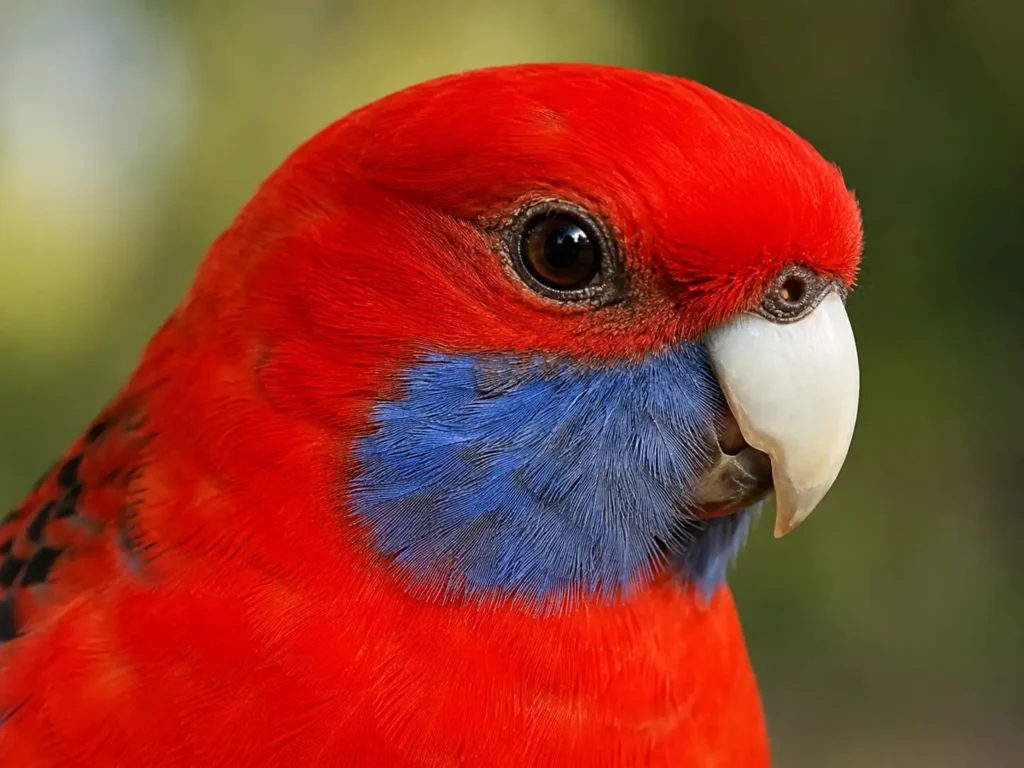
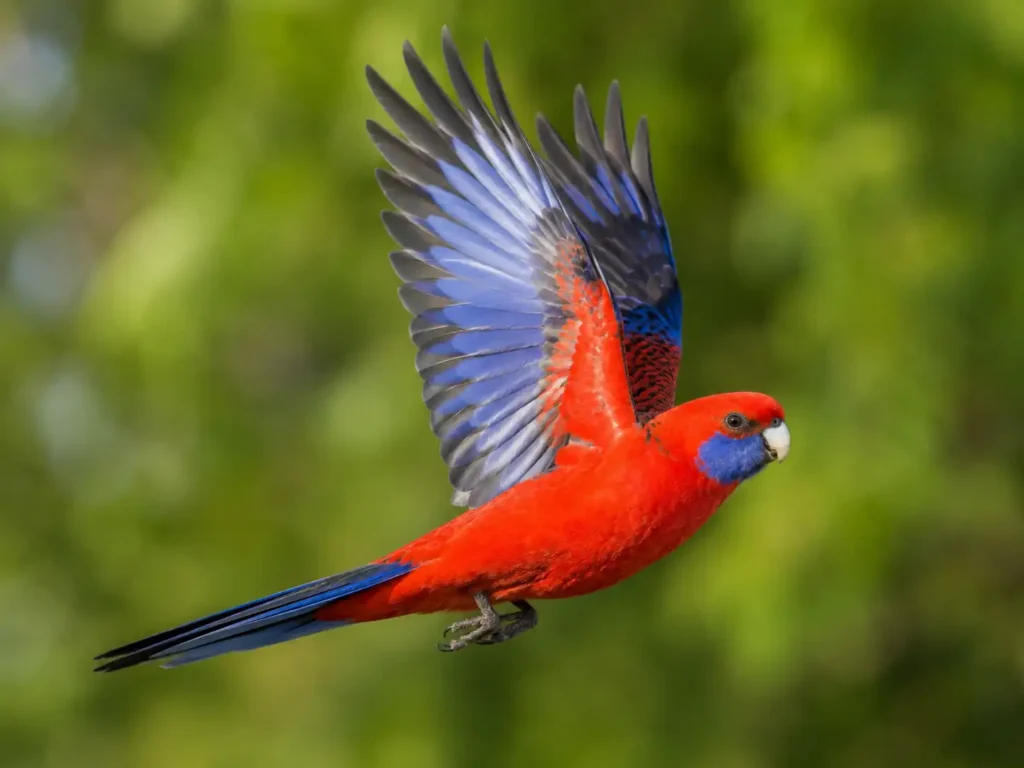
The defining characteristic of this bird is the striking coloration of its plumage, with red predominating over most of its body. The throat, wings, and tail are primarily blue, interspersed with black on the wings. These colors may vary in different mutations and in the subspecies P. elegans flaveolus.
Between males and females, the changes are barely noticeable, with only slight variations in body size and beak size, the females being somewhat smaller.
Habitat
This species is endemic to Australia, including Tasmania, and is concentrated mainly in the eastern and southeastern regions. It was later introduced to New Zealand.
It mainly inhabits coastal forests and suburban gardens, but can also be seen in mountain areas up to 1500 meters in altitude.
Feeding
The diet of rosellas, as in most psittacines, is varied and consists of seeds, herbaceous plants, nuts and fruit, which they collect both from the trees themselves and from the ground.
Reproduction
Their breeding season begins in August or September, and they build their nests with branches, leaves, and some synthetic materials they find in suburban areas. They prefer to nest in tall trees, especially eucalyptus trees.
They lay between 4 and 6 eggs, which are incubated for 21 days only by the females, although the males do participate in feeding the chicks.
Threats
Habitat destruction due to urban expansion, climate change, and capture for the illegal exotic species market are the main threats to these birds.
Status and conservation
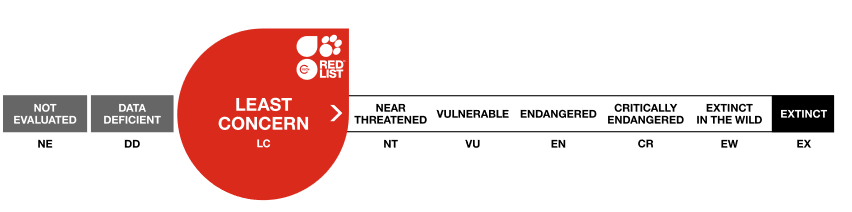
It is a parrot whose population has declined in recent years, although this does not currently appear to pose an imminent threat to the species. For this reason, it is listed in Appendix II of the CITES convention but classified as Least Concern (LC) on the IUCN Red List.